Our vision is to foster connection, mentorship, and shared learning. Through conversations, field days, educational resources, and collaboration, we aim to break down barriers and create space for honest dialogue—about what works, what doesn’t, and what we are still figuring out together.

As a woman deeply passionate about education, healthy living, and the power of community, I am honored and excited to welcome you to our brand new regenerative agriculture network here in California’s Central Valley. This region feeds our nation and much of the world, yet it also carries the weight of immense environmental, economic, and generational challenges. Our mission is simple but meaningful: to create a supportive, inclusive community for farmers and land stewards who are curious about beginning—or deepening—their regenerative journey, while also bridging generations through the shared wisdom of the land.
This network was created from a belief that agriculture is not just about producing crops—it is about cultivating relationships. Relationships between people and soil. Between elders and young farmers. Between our food system and our health. And ultimately, between our past and the future we are shaping together.
An Unconventional Path into Agriculture
My own journey into regenerative agriculture is not a traditional one. I did not grow up farming or inherit land passed down through generations. Instead, I married into the beautiful, demanding, and humbling world of agriculture. Like many who come to farming later in life, I arrived with curiosity, respect, and a willingness to learn.
My professional background is in elementary education, a field that taught me how powerful patience, curiosity, and encouragement can be. Teaching young children how to ask questions, make connections, and grow confidence has shaped how I approach agriculture today. Whether we are five or seventy-five, we all learn best when we feel supported, heard, and safe to try something new. That philosophy is at the heart of this network.
Education, after all, does not end in the classroom—it continues in the field, at the kitchen table, and through shared experience. I believe regenerative agriculture thrives when learning flows freely across ages, operations, and backgrounds.
Health, Food, and the Wake-Up Call That Changed Everything
My commitment to regenerative agriculture became deeply personal through my own health journey. After facing chronic health challenges, I began searching for answers beyond conventional approaches. That search led me toward a more natural, holistic way of supporting my body—and ultimately to a powerful realization: food quality matters profoundly.
As I learned more about nutrition, I also learned about soil. I discovered that the vitality of our food begins long before harvest, rooted in the life beneath our feet. Nutrient-dense food is not an accident—it is the result of healthy, living soil. Soil rich in biology grows plants that are more resilient, more nourishing, and more capable of supporting human health.
That connection between soil health and human health changed how I saw farming forever. Regenerative agriculture is not just about improving yields or adopting new techniques—it is about healing systems that have become disconnected. When we restore the soil, we restore something within ourselves as well.
What Regenerative Agriculture Truly Means
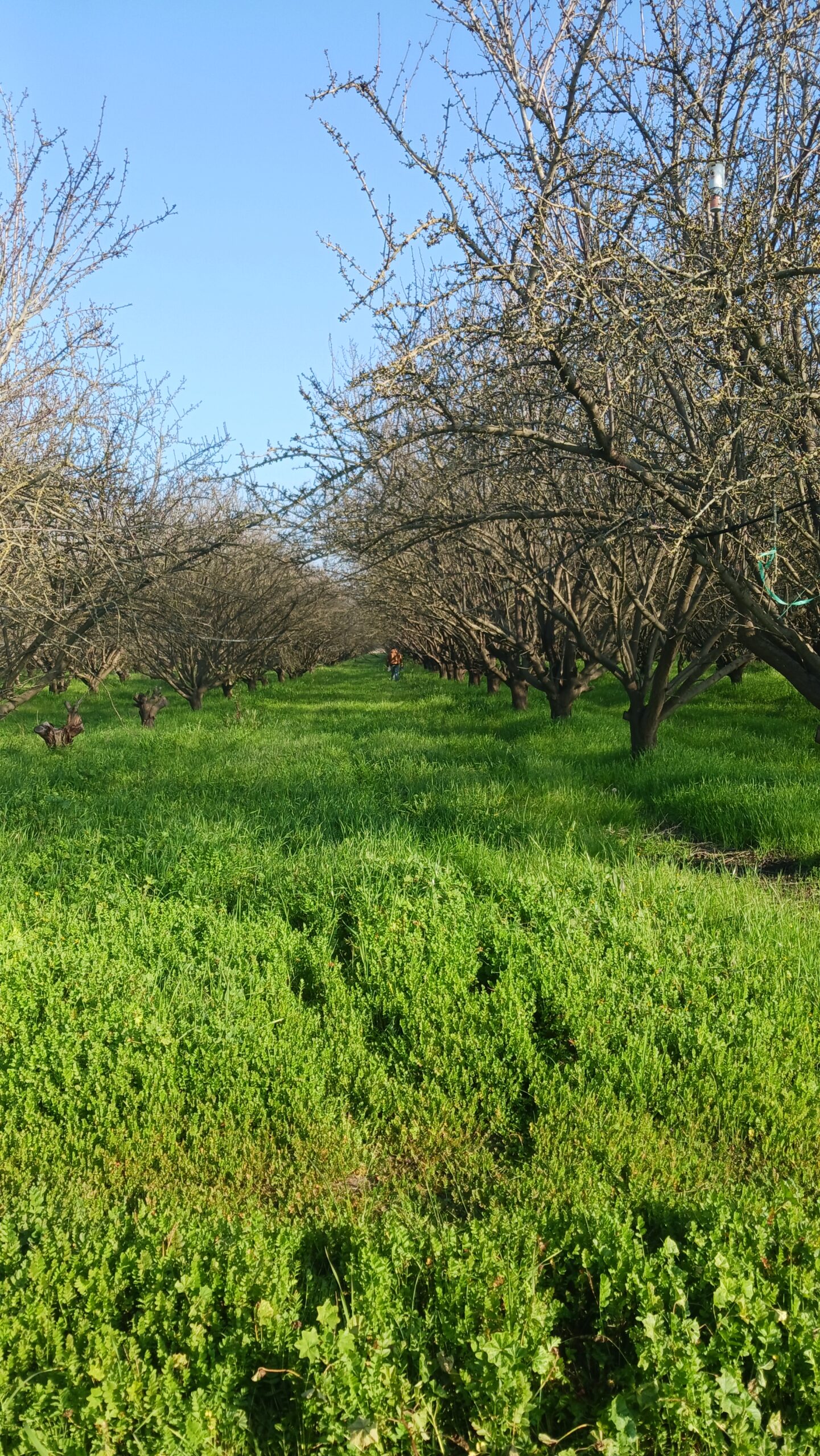
Regenerative agriculture is often described through practices—cover crops, rotational grazing, reduced tillage, compost applications, diversified rotations—but at its core, it is a mindset. It is the commitment to work with nature rather than against it.
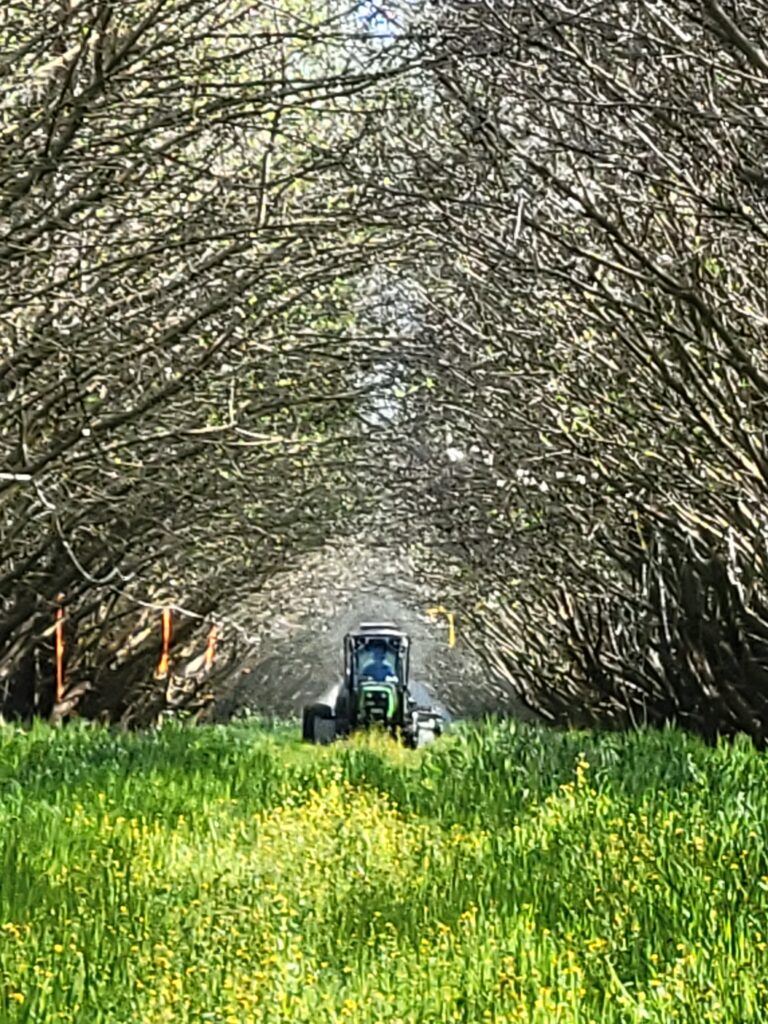
By keeping living roots in the soil, protecting soil cover, integrating animals, and encouraging biodiversity above and below ground, regenerative systems rebuild soil structure, increase water infiltration, and create resilience in the face of drought, heat, and economic uncertainty. These systems are not one-size-fits-all, especially here in the Central Valley, but they are adaptable, practical, and deeply rooted in observation and stewardship.
What excites me most is that these practices do more than restore land—they restore connection. They invite farmers to slow down, observe, and engage with their fields as living ecosystems rather than inputs and outputs. And in doing so, they often rekindle a sense of purpose and pride in the work itself.
Generations Connected by the Land
One of the greatest blessings of being part of this regenerative network is witnessing the way land connects generations. Every field carries a story—of those who came before us, of lessons learned the hard way, and of traditions passed down through time. At the same time, the land holds space for innovation, fresh ideas, and the energy of young people eager to steward it differently.
Regenerative agriculture creates a powerful meeting ground between experience and curiosity. It honors the wisdom of longtime farmers while inviting the next generation to participate with hope and creativity. Together, we carry the responsibility of leaving the land better than we found it—not just economically productive, but biologically alive and resilient for decades to come.
Why the Central Valley Matters
The Central Valley is uniquely positioned to lead in regenerative agriculture. Our climate, scale, and agricultural diversity offer both challenges and tremendous opportunity. By adapting regenerative principles to our local conditions, we can build systems that conserve water, protect air quality, improve soil health, and strengthen rural communities.
This network exists to support that work. Whether you are managing thousands of acres, just beginning your farming journey, or simply curious about how regenerative practices could fit into your operation, you belong here.
Growing Together as a Community
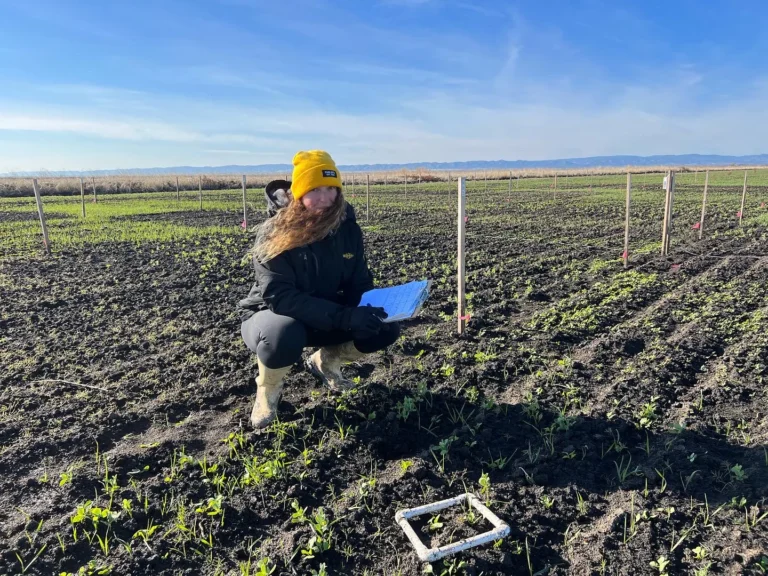
Our vision is to foster connection, mentorship, and shared learning. Through conversations, field days, educational resources, and collaboration, we aim to break down barriers and create space for honest dialogue—about what works, what doesn’t, and what we are still figuring out together.
We also believe in empowering farmers with access to resources, technical support, and funding opportunities that make regeneration possible and practical. No one should feel alone in this work.
An Invitation to Join the Journey
This network is more than an organization—it is a growing community rooted in care, curiosity, and commitment. Together, we can cultivate healthy food, resilient landscapes, and meaningful relationships that extend far beyond our fields.
I invite you to walk alongside us as we sow the seeds of change—nurturing both land and people through the power of regenerative agriculture. This is a journey of growth and healing, one that honors our past while boldly investing in a healthier, more connected future.
Welcome. Let’s grow, heal, and cultivate change—together.

Donald Thomas
Research & Education
Regenerative Agricultural