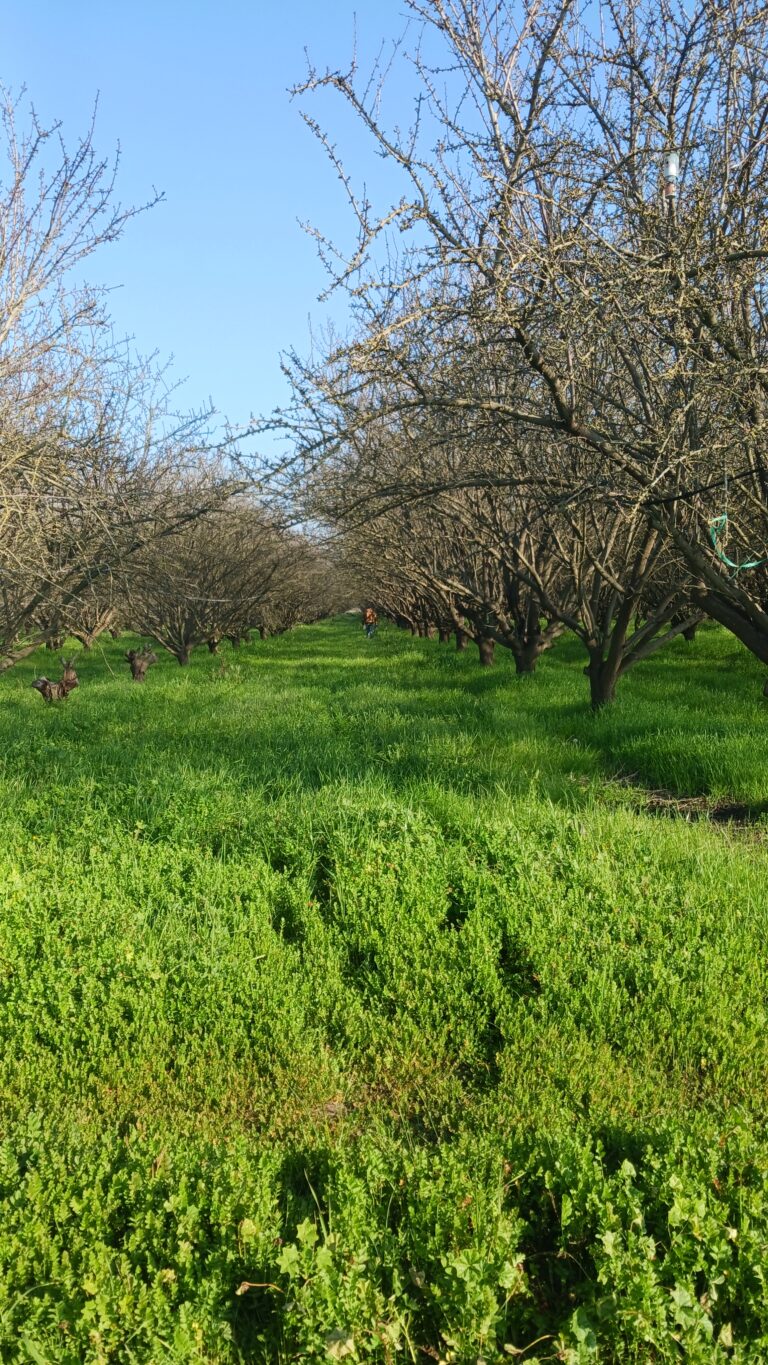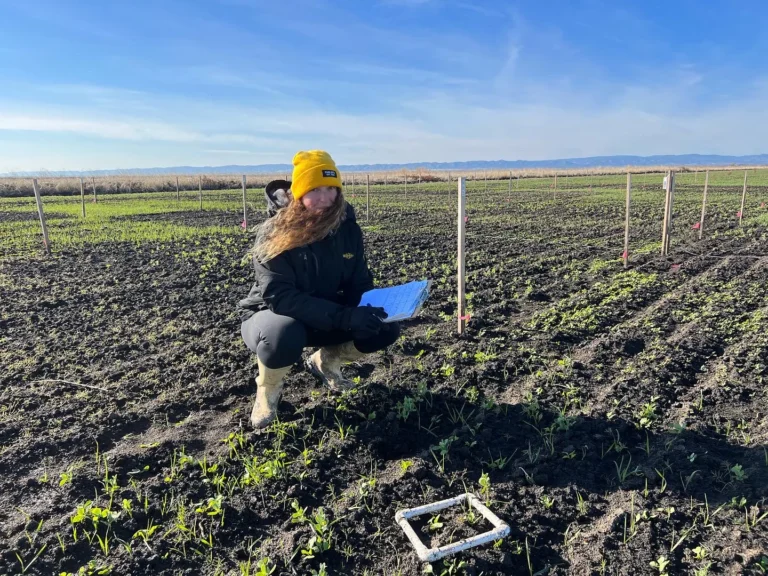
Introduction: A Discovery from a Korean Natural Fertilizer (KNF) Mildew Trial on Scarlet Royal Table Grapes in Delano California


Introduction: A Discovery from a Korean Natural Fertilizer (KNF) Mildew Trial on Scarlet Royal Table Grapes in Delano California
For any grower, some battles feel endless. From 2006 to today, the fight against the vine mealybug (Planococcus ficus) is one such struggle in many Central California vineyards. Conventional synthetic controls can knock the pest back, but they just never deliver a final blow; the mealybugs always return.1It is a cycle of suppression, not elimination.
However, in 2020, a small natural fertilizer trial for mildew control changed everything. The test involved a homemade product created by mixing roasted eggshells with vinegar—a simple recipe that, unbeknownst to the researchers at the time, produced calcium acetate as a key byproduct.1 The results were anything but routine. Just three days after the first application, a stunning observation was made: the vine mealybugs had stopped feeding and entered a dormant, inactive state. After four weekly applications, both the mildew and the mealybugs were completely gone.1
This accidental breakthrough raised a powerful question: How did a simple calcium compound succeed where years of targeted synthetic chemicals had failed? The answer reveals that calcium acetate is not just a nutrient; it is a biostimulant, a key that unlocks a plant’s own powerful, internal defense system. This report will unravel the science behind this remarkable observation, exploring the chain reaction that begins with a simple spray and ends with the grapevine itself becoming a highly effective bodyguard against pests and disease.
To achieve this, it would be necessary to have uniform grammar, pronunciation and more common words. If several languages coalesce, the grammar of the resulting language is more simple and regular than that of the individual languages. The new common language will be more simple.
It will be as simple as Occidental; in fact, it will be Occidental. To an English person, it will seem like simplified English, as a skeptical Cambridge friend of mine told me what Occidental is. The European languages are members of the same family.

Part 1: The Spark Plug: How a Simple Mineral Wakes Up the Entire Plant
While plants require calcium for building strong cell walls, a foliar spray of calcium acetate does something far more profound. When dissolved in water, the compound splits into two parts: the acetate anion (CH3COO–) and the calcium cation (Ca2+).2 The acetate can provide a minor source of carbon energy for the plant, but the calcium ion is the real star of the show.
Think of the plant’s defense system as an engine. While acetate is like a single drop of fuel, the ion is the spark plug that ignites the entire system. Plant cells work constantly to maintain a very low concentration of free calcium in their cytosol, typically around 100–200 nM.2 A sudden influx from a foliar spray is therefore a powerful and unmissable alarm signal.2 This rapid change in calcium concentration, known as a “calcium signature,” is one of the first and fastest ways a plant recognizes an environmental stressor, triggering a cascade of defensive responses within seconds to minutes.5
This calcium alarm triggers a highly specific and elegant biochemical event known as a “chiral switch.” To understand this, it helps to think about “handedness.” Many molecules in nature, like our hands, exist in two mirror-image forms that cannot be perfectly superimposed. This property is called chirality.2 Life on Earth shows a remarkable preference for one form over the other; for instance, the amino acids used to build proteins are almost exclusively in the “left-handed” (L) configuration.3
The science shows that the influx of from the spray acts as a direct activator for a specific plant enzyme called Serine Racemase.2 Biochemical studies on this enzyme have confirmed that its activity is enhanced by divalent cations, including .2 Once activated by the calcium, this enzyme performs the “chiral switch”: it rapidly converts the common, “left-handed” amino acid L-serine into its “right-handed” mirror image, D-serine.2
This is not a random metabolic error. The newly created D-serine is a potent signaling molecule in its own right. Its sudden appearance acts as a secondary alarm, amplifying the initial calcium signal and broadcasting a message throughout the entire plant to shift into a defensive, stress-coping mode.2 This specific, enzyme-driven event is the crucial first domino, providing a clear causal link from the external spray to the activation of the plant’s entire
immune system.
Part 2: Sounding the Alarm: Activating Systemic Acquired Resistance (SAR)
The “chiral switch” and the calcium signal it amplifies are the triggers for a plant-wide defense response known as Systemic Acquired Resistance (SAR). SAR is the plant’s equivalent of an innate immune system.8 When one part of the plant is alerted to a threat, it sends chemical signals to all other parts, preparing them for potential future attacks.9
These alarm signals, which include molecules like D-serine and the well-known defense hormone salicylic acid, are transported throughout the plant via the phloem—the plant’s vascular superhighway.10 This ensures the response is truly “systemic,” reaching every leaf, the trunk, and even the roots, putting the entire organism on high alert.
A key feature of SAR is that it provides a broad-spectrum shield, conferring protection against a wide range of threats, not just the one that triggered the initial response.12 Scientific studies have confirmed that SAR is effective against viruses, bacteria, and fungi.14 This explains the observation in the Delano test: the calcium acetate spray, applied for mildew (a fungus), also triggered a defense response that was lethal to the mealybugs. The plant didn’t launch separate attacks; it activated a single, powerful, all-purpose defense system. This principle is used in agriculture to manage diseases like powdery mildew in wheat and bacterial spot in tomatoes.15
However, this powerful system is entirely dependent on the plant’s health. The user’s field notes correctly identified that the effect was strongest with a full, healthy canopy and non-existent on vines where leaves were removed.11 The leaves are the solar panels that power the defense factory and the phloem is the delivery network. A sick, stressed, or sparse canopy simply lacks the resources to mount an effective systemic defense.11
Part 3: The Secret Weapon: A Targeted Attack on Sucking Pests
Each of these changes can be explained by the underlying metabolic reprogramming:
The foliar spray of calcium acetate triggers the grapevine’s SAR. 2. Production: The plant begins to manufacture and pump a cocktail of defensive compounds (secondary metabolites like alkaloids and phenolics) directly into its phloem sap.3 The sap becomes toxic.
The plant begins to manufacture and pump a cocktail of defensive compounds (secondary metabolites like alkaloids and phenolics) directly into its phloem sap.3 The sap becomes toxic.
The mealybugs, aphids, and scales ingest this phloem sap, which is now laden with the plant’s natural biopesticides.
These plant-made defensive compounds are lethal to the insects’ vital endosymbionts, destroying their internal nutrient factories.11
Without their symbionts, the insects suffer a catastrophic and irreversible metabolic failure. They are, in effect, starving to death on a full stomach. This explains the crucial field observation from Delano: the mealybugs stopped producing sugary honeydew within 72 hours of the first application.1 Their digestive systems had shut down, leading to their death within a month. This sophisticated biological attack, targeting a fundamental weakness shared by an entire class of pests, is a remarkable display of evolutionary efficiency.
Part 4: The Delano Test Revisited: Connecting the Dots from the Field to the Lab
The detailed observations of the treated Scarlet Royal grapes in the Delano vineyard provide a powerful real-world case study, demonstrating the profound, systemic effects of the SAR response. The changes in the fruit are not random side effects; they are the direct physical manifestation of the plant’s massive metabolic shift from a “growth and reproduction” mode to a “defense and survival” mode.
The following table summarizes the dramatic changes observed in the field:
Characteristic | Untreated Vines (Control) | Calcium Acetate Treated Vines |
Pest Pressure | Persistent vine mealybug infestation1 | Complete eradication of mealybugs1 |
Berry Size | Normal | 50% larger than normal18 |
Berry Texture | Normal | Significantly crunchier18 |
Berry Flavor Profile | Normal grape flavor, with tannins | Perceptibly sweeter, no notable tannin flavor18 |
Berry Color | Normal red pigmentation | 50% reduction in red pigment; “faint” color18 |
Carbohydrate Profile | Caused blood sugar spikes in sensitive individuals17 | No detectable blood sugar issues, even with high consumption17 |
The crunchier texture is a direct result of the calcium from the spray strengthening the fruit’s cell walls by forming calcium pectate cross-links.3 The larger size is likely due to the stress signal promoting the expression of genes responsible for cell expansion and influencing growth hormones.18
The lack of tannins and the faint color are classic signs of the plant rerouting its flavonoid pathway—the metabolic assembly line for these compounds.3 The stress signal is telling the plant to stop making certain compounds (like tannins) and alter the production of others (anthocyanin pigments). The perception of enhanced sweetness comes from two sources: the removal of bitter-tasting tannins and a shift in the fruit’s sugar-to-acid ratio.18
The most fascinating change is in the fruit’s carbohydrate profile. A plant in “defense mode” shifts its priorities. Instead of primarily producing simple, easily-digested sugars like glucose and fructose to make the fruit attractive for seed dispersal, it begins synthesizing and transporting complex carbohydrates known as oligosaccharides.3 These complex sugars function as internal signaling molecules for the plant’s immune system. For humans, they are poorly digestible and behave more like dietary fiber, which explains why they do not cause a rapid increase in blood glucose levels.17
These observations powerfully confirm that the plant is undergoing a fundamental
reallocation of its resources, a phenomenon known in plant science as the “growth-defense trade-off.”
Part 5: The Price of Power: Understanding the High Energy Cost of Defense
In nature, there is no free lunch. A plant operates on a finite budget of energy and resources. It can either invest heavily in growth—getting bigger, producing more leaves, and developing a large crop—or it can invest in defense—fighting off pests and diseases. While not mutually exclusive, it is very difficult for a plant to do both at maximum capacity at the same time.19 This is the core principle of the growth-defense trade-off.22
Activating SAR is metabolically expensive. To mount this defense, the plant must synthesize an entirely new suite of defense proteins, enzymes, and chemical compounds.24 This massive undertaking requires a significant amount of energy and diverts raw materials like carbon and nitrogen away from normal growth processes.19If the plant is not adequately supported with nutrients, this trade-off can manifest as reduced vegetative growth or lower yields.24 The energy spent building a shield is energy that cannot be spent building more fruit. This is the inherent “cost” of activating the plant’s powerful immune system.
Part 6: Fueling the Fight: Why a Strong Fertility Program is Non-Negotiable
Understanding the high energy cost of defense leads directly to the practical solution: a strong, targeted fertility program is how a grower can help the plant pay its energy bill. This is not just about feeding the plant; it is a strategic intervention to manage the growth-defense trade-off, allowing the plant to maintain both high-level immunity and productive growth. By removing nutrient limitation, the grower empowers the plant to express its full genetic potential for both defense and yield, rather than being forced to choose between them.
The roles of key nutrients are critical in this process:
As the fundamental building block of proteins and enzymes, nitrogen is in high demand when a plant is building its defensive arsenal. A robust N supply is essential for synthesizing the necessary compounds while maintaining basic metabolic functions.26
Potassium is a master regulator, involved in activating over 50 different enzymes, controlling water movement, and managing the opening and closing of stomata. An adequate supply of K is scientifically proven to reduce the severity of fungal diseases, bacterial infections, and insect attacks, acting as a foundational component of plant resilience.29
Beyond its primary role as the signaling “spark plug,” calcium is a crucial structural component. It reinforces cell walls by forming calcium pectate, creating a stronger physical barrier that makes it harder for pests and pathogens to penetrate plant tissue.31
As the central atom in every chlorophyll molecule, magnesium is essential for photosynthesis. A plant mounting an energy-intensive defense response needs robust photosynthesis to generate the fuel (ATP) required. A lack of Mg means a lack of energy, crippling the immune response.29
These elements, needed in smaller amounts, act as essential cofactors or “helper molecules” for many of the key enzymes involved in the plant’s defense pathways and overall stress tolerance.26
Conclusion: Putting Knowledge into Practice
The journey that began with a homemade spray in a Delano vineyard reveals a deep and sophisticated biological control system. Calcium acetate is not just a fertilizer; it is a key that unlocks the plant’s own powerful, systemic immune system. This response, known as SAR, turns the plant into a weapon against sucking pests by targeting their essential gut bacteria and simultaneously reprograms the plant’s metabolism in profound ways.
The keen observations from the field—from the cessation of honeydew to the altered taste and composition of the grapes—are a testament to the power of practical experience. When combined with scientific understanding, these observations lead to powerful new management strategies.
This brings us back to the central theme: knowledge is power. Understanding how this system works allows growers to use calcium acetate as a sophisticated tool, not a blunt instrument. It means knowing that to reap the benefits of enhanced pest and disease resistance, one must also support the plant through its high-energy defense response with a robust and balanced fertility program. This knowledge transforms a simple foliar spray into a strategic activation of
the plant’s own incredible biology, empowering growers to work with nature to cultivate healthier, more resilient crops.
References
A comprehensive list of references is provided below, compiled from the source materials used for this report.
- Host Plant Quality Influences Diapause Induction of Byasa alcinous (Lepidoptera: Papilionidae) | Annals of the Entomological Society of America | Oxford Academic ● Mechanisms to Mitigate the Trade-Off between Growth and Defense | The Plant Cell | Oxford Academic
- Radial–axial transport coordination enhances sugar translocation in the phloem vasculature of plants
- Calcium Signaling | Plant Physiology | Oxford Academic
- Managing Crop Stress for a Better Yield – Active AgriScience
- CalGuard
- Molecular Basis of Aphid-Bacteria Nutritional Symbiosis Revealed | Answers in Genesis ● https://australianprescriber.tg.org.au/articles/inside-the-isomers-the-tale-of-chiral-switc hes-1.html
- Role of Amino Acids in Plant Responses to Stresses
- Foliar Calcium (Ca) during Fruit Development in Grapes
- Chiral Switch: Unlocking the Potential of Single Enantiomers – Chiralpedia ● Guide to Plant and Crop Stress | Updated for 2023 – CID Bio-Science ● Phloem sap intricacy and interplay with aphid feeding
- Calcium acetate – Wikipedia
- Chirality – Wikipedia
- Epimerase and racemase – Wikipedia
- Gibberellin – Wikipedia
- Phosphopentose epimerase – Wikipedia
- Systemic acquired resistance – Wikipedia
- Plant growth–defense trade-offs are general across interactions with fungal, insect, and mammalian consumers – Experts@Minnesota
- BIOLOGY OF BACTERIOCYTE-ASSOCIATED ENDOSYMBIONTS OF PLANT SAP-SUCKING INSECTS
- How can you combat abiotic stress? – Intracrop
- Vine Mealybug / Grape / Agriculture
- Evolutionary Relationships among Primary Endosymbionts of the Mealybug Subfamily Phenacoccinae (Hemiptera: Coccoidea: Pseudococcidae) | Applied and Environmental Microbiology
- Purification and Characterization of Serine Racemase from a Hyperthermophilic Archaeon, Pyrobaculum islandicum | Journal of Bacteriology
- Racemization in Reverse: Evidence that D-Amino Acid Toxicity on Earth Is Controlled by Bacteria with Racemases | PLOS One
- Identification and Characterization of Bifunctional Proline Racemase/Hydroxyproline Epimerase from Archaea: Discrimination of Substrates and Molecular Evolution | PLOS One
- What is calcium acetate? – JustLong
- Using Soluble Calcium to Stimulate Plant Growth
- Racemization and the origin of optically active organic compounds in living organisms – NASA Technical Reports Server (NTRS)
- Phenology under bottom-up control: change in host quality induces diapause in parasitic wasps | Peer Community Journal
- https://plantpath.ifas.ufl.edu/classes/PLP4222-PLP6223/documents/SARAnnualReview20 04.pdf
- The nutritional dimension of facultative bacterial symbiosis in aphids: Current status and methodological considerations for future research
- Enhancement of broad-spectrum disease resistance in wheat through key genes involved in systemic acquired resistance – PMC
- Endosymbiont Tremblaya phenacola influences the reproduction of cotton mealybugs by regulating the mechanistic target of rapamycin pathway – PMC
- Non-enzymatic reactions in biogenesis of fungal natural products – PMC ● Accelerated Pseudogenization in the Ancient Endosymbionts of Giant Scale Insects – PMC
- Calcium Signaling Network in Plants: An Overview – PMC
- Systemic Acquired Resistance – PMC
- Next-Generation Systemic Acquired Resistance – PMC
- The Critical Role of Potassium in Plant Stress Response – PMC
- Calcium specificity signaling mechanisms in abscisic acid signal transduction in Arabidopsis guard cells – PMC
- Acetate: friend or foe? Efficient production of a sweet protein in Escherichia coli BL21 using acetate as a carbon source
- Calcium signaling and biotic defense responses in plants – PMC
- Gibberellin Induces an Increase in Cytosolic Ca2+ via a DELLA-Independent Signaling Pathway – PMC
- An update on phloem transport: a simple bulk flow under complex regulation – PMC ● Abscisic acid deficiency increases defence responses against Myzus persicae in Arabidopsis – PMC
- Failure to Maintain Acetate Homeostasis by Acetate-Activating Enzymes Impacts Plant Development – PMC
- Effect of calcium on relieving berry cracking in grape (Vitis vinifera L.) ‘Xiangfei’ – PMC ● The interplay of phloem-mobile signals in plant development and stress response – PMC ● Oxidative Stress-Induced Alteration of Plant Central Metabolism – PMC ● Editorial: Amino Acids in Plants: Regulation and Functions in Development and Stress Defense – PMC
- Time point- and plant part-specific changes in phloem exudate metabolites of leaves and ears of wheat in response to drought and effects on aphids – PMC
- Effect of CaCl2 Sprays in Different Fruit Development Stages on Grape Berry Cracking – PMC
- Plant Nutrition: An Effective Way to Alleviate Abiotic Stress in Agricultural Crops – PMC ● Fusion of amino acid metabolisms between pest aphid species and their obligate bacterial endosymbionts – YALE UNIVERSITY
- SP-Unraveling Candidatus Liberibacter asiaticus-phloem interactions using isolated vasculature from seed coats – UNIVERSITY OF FLORIDA
- Asymmetry in catalysis: ‘unidirectional’ amino acid racemases | The Biochemist | Portland Press
- On Plant Responses to D-Amino Acids
- Epimerases: structure, function and mechanism – PubMed
- Molecular and biochemical characterization of a serine racemase from Arabidopsis thaliana – PubMed
- The significance of phloem transport for the speed with which canopy photosynthesis and belowground respiration are linked – PubMed
- Calcium-dependent protein kinase 5 links calcium signaling with N-hydroxy-l-pipecolic acid- and SARD1-dependent immune memory in systemic acquired resistance – PubMed ● Growth-defense trade-off in plants: From hypothesis to principle to paradigm – PubMed ● Nonenzymatic Browning Reaction of Essential Amino Acids: Effect of pH on Caramelization and Maillard Reaction Kinetics | Journal of Agricultural and Food Chemistry
- Recent advances in enzymatic and chemical deracemisation of racemic compounds ● Racemization and Asymmetrie Transformation of α-Substituted Carboxylic Acids ● https://repositorium.sdum.uminho.pt/bitstream/1822/73313/1/document_54461_1.pdf ● Micronutrients in Crop Production | Soils, Fertility and Nutrients | Government of Saskatchewan
- Systemic acquired resistance-associated transport and metabolic regulation of salicylic acid and glycerol-3-phosphate – University of Kentucky
- https://sites.duke.edu/donglab/files/2017/01/durrant_2004.pdf
- Micronutrients and Their Impact on Plant Health – ST Biologicals
- Macronutrients in plants | AGQ Labs USA
- Mealybug vectors: A review of their transmission of plant viruses and their management strategies
- Systemic Acquired Resistance: Turning Local Infection into Global Defense | Annual Reviews
- Chirality in Biochemistry
- Mechanisms and implications of diapause and seasonal adaptation in insects ● Impact of sucrose sinks on phloem transport | bioRxiv
- Calcium-dependent protein kinase 5 links calcium-signaling with SARD1-dependent immune memory in systemic acquired resistance | bioRxiv
- Understanding the Growth-Defense Trade-Off in Plants – BioTechniques ● Practical application of induced resistance to plant diseases: an appraisal of effectiveness under field conditions | The Journal of Agricultural Science
- Acetate Fertilizer | CultivAce Products
- CaAce 5% Calcium Acetate Liquid Fertilizer | CultivAce Products
- New Insights Into the Mechanisms and Biological Roles of D-Amino Acids in Complex Eco-Systems
- Human Serine Racemase: Key Residues/Active Site Motifs and Their Relation to Enzyme Function
- Flexible resource allocation during plant defense responses
- How phloem-feeding insects face the challenge of phloem-located defenses ● Phloem: the integrative avenue for resource distribution, signaling, and defense ● Sugars take a central position in plant growth, development and, stress responses. A focus on apical dominance
- Signal regulators of systemic acquired resistance
- Fruit Calcium: Transport and Physiology
- Distribution of Rotundone and Possible Translocation of Related Compounds Amongst Grapevine Tissues in Vitis vinifera L. cv. Shiraz
- Effects of Nitrogen Supply on Water Stress and Recovery Mechanisms in Kentucky Bluegrass Plants
- AtDAT1 Is a Key Enzyme of D-Amino Acid Stimulated Ethylene Production in Arabidopsis thaliana
- Frontiers | TypiCal but DeliCate Ca++re: Dissecting the Essence of Calcium Signaling Network as a Robust Response Coordinator of Versatile Abiotic and Biotic Stimuli in Plants
- The significance of calcium-sensing receptor in sustaining photosynthesis and ameliorating stress responses in plants
- Plant mineral nutrition and disease resistance: A significant linkage for sustainable crop protection
- Instigating prevalent abiotic stress resilience in crop by exogenous application of phytohormones and nutrient
- The calcium connection: exploring the intricacies of calcium signaling in plant-microbe interactions
- Enhancement of broad-spectrum disease resistance in wheat through key genes involved in systemic acquired resistance
- Calcium signaling facilitates chilling- and GA- induced dormancy release in tree peony ● Regulation and Sensing of Amino Acid Metabolism in Plants
- Tannins in grapes and wine – HIN
- Role of Macronutrients and Micronutrients in the Growth and Development of Plants and Prevention of Deleterious Plant Diseases
- https://www.jipb.net/EN/article/downloadArticleFile.do?attachType=PDF&id=60338 ● Effects of Gibberellic Acid/Cytokinin Treatments on Berry Development and Maturation in the Yellow-green Skinned ‘Shine Muscat’ Grape
- Systemic Acquired Resistance: Plants’ Secret Weapon – KeyPlex Plant Nutrition ● Vine mealybug – Biocontrol, Damage and Life Cycle
- Brief Note on Stereoisomers and Chirality in Plant Biochemistry
- AMINO ACID BASICS | Macro-Sorb
- Calcium Signalling in Plant Biotic Interactions
- d-Amino Acids in Plants: Sources, Metabolism, and Functions
- Non-Digestible Carbohydrates: Green Extraction from Food By-Products and Assessment of Their Effect on Microbiota Modulation
- Effects of Endosymbiont Disruption on the Nutritional Dynamics of the Pea Aphid Acyrthosiphon pisum
- Application of Acetate as a Substrate for the Production of Value-Added Chemicals in Escherichia coli
- Ability of Nutrient Management and Molecular Physiology Advancements to Overcome Abiotic Stress: A Study on Sub-Saharan African Crops
- Pre-Anthesis Cytokinin Applications Increase Table Grape Berry Firmness by Modulating Cell Wall Polysaccharides
- Calcium Signaling in Plant-Insect Interactions
- Special Issue : Crop Stress Physiology and Nutrient Management
- https://www.numberanalytics.com/blog/ultimate-guide-phloem-tissue-plant-anatomy ● 12% Calcium
- Discovery of a novel amino acid racemase through exploration of natural variation in Arabidopsis thaliana | PNAS
- Growth–defense trade-offs shape population genetic composition in an iconic forest tree species | PNAS
- Evaluating plant growth–defense trade-offs by modeling the interaction between primary and secondary metabolism | PNAS
- Trading amino acids at the aphid–Buchnera symbiotic interface | PNAS ● https://www.preprints.org/manuscript/202507.1101/v1
- Plant Food Co – 30% Calcium Acetate and Calcium Carbonate – 2.5 GAL Jug ● Effect of Calcium treatments on grape berry size (mm) for the (A)… | Download Scientific Diagram
- L, D- racemization reaction of amino acids (A- Acid-catalyzed… | Download Scientific Diagram
- (PDF) Host Plant Quality and Fecundity in Herbivorous Insects
- (PDF) Costs and trade-offs associated with induced resistance
- Flavonoid biosynthesis-related genes in grape skin are differentially regulated by temperature and light conditions | Request PDF
- (PDF) The Ecological Concept of Costs of Induced Systemic Resistance (ISR) ● (PDF) Calcium signaling system in plants
- (PDF) Biochemical changes throughout Grape Berry development and fruit and wine quality
- https://www.researchgate.net/publication/249077572_Effects_of_foliar_and_soil_calcium_ application_on_yield_and_quality_of_table_grape_Cv_’Thompson_seedless‘ ● (PDF) Systemic Acquired Resistance and Induced Systemic Resistance in Conventional Agriculture
- (PDF) Non-starch carbohydrates: Digestion and its secondary effects in monogastrics
- (PDF) Vine Mealybug, Planococcus ficus Signoret (Hemiptera: Pseudococcidae) ● Mating disruption method against the vine mealybug, Planococcus ficus : effect of sequential treatment on infested vines
- D-Amino Acids in Plants: New Insights and Aspects, but also More Open Questions ● Amino Acids as Stress Reducers in Soybean Plant Growth Under Different Water-Deficit Conditions
- Transcriptome analysis of calcium-induced accumulation of anthocyanins in grape skin | Request PDF
- Vineyard calcium sprays induce changes in grape berry skin, firmness, cell wall composition and expression of cell wall-related genes | Request PDF
- Osmoprotective Role of Sugar in Mitigating Abiotic Stress in Plants | Request PDF ● Plant Nutrients for Crop Growth, Development and Stress Tolerance | Request PDF ● Differential regulation of enzyme activities and physio-anatomical aspects of calcium nutrition in grapevine | Request PDF
- https://www.researchgate.net/publication/350827868_Racemases_and_epimerases_oper ating_through_a_11-proton-transfer-mechanism_Reactivity_mechanism_and_inhibition ● In-Silico Analysis of Functional and Phylogenetic Distribution of Serine Racemase Homologues in Various Life Domain of Prokaryotes and Eukaryotes | Request PDF ● (PDF) Microbial Masters: Endosymbionts’ Influence on Insect Nutrition and Ecological Balance
- (PDF) Nutrient Management for Optimizing Resilience for Biotic and Abiotic Stress ● The Essential Role of Macronutrients and Micronutrients in Improving Crop Resilience to Biotic Stress | Request PDF
- (PDF) Biosynthesis of Anthocyanins and Their Regulation in Colored Grapes ● Systemic acquired resistance: The elusive signal(s) | Request PDF
- Phloem-sap feeding by animals: Problems and solutions
- Systemic Acquired Resistance in Crop Protection: From Nature to a Chemical Approach | Request PDF
- Calcium acetate – Sciencemadness Wiki
- Chiral Molecules: Definition & Significance | StudySmarter
- Full article: The Impact of Processing on Amino Acid Racemization and Protein Quality in Processed Animal Proteins of Poultry Origin
- Calcium Signaling Network in Plants
- https://www.uniprot.org/uniprotkb/Q2PGG3/entry
- Acquired and Induced Plant Disease Resistance
- Calcium Acetate: Different Roles in Industrial uses
- Calcium specificity signaling mechanisms in abscisic acid signal transduction in Arabidopsis guard cells | eLife
Works cited
- Vine Mealybug vs Calcium Acetate.pdf
- (01) Calcium Acetate and Chiral Switch
- Comprehensive Briefing: Calcium Acetate’s Impact on Grapevines and Pests 4. Calcium signaling and biotic defense responses in plants – PMC, accessed October 7, 2025, https://pmc.ncbi.nlm.nih.gov/articles/PMC4623097/ 5. The calcium connection: exploring the intricacies of … – Frontiers, accessed October 7, 2025,
https://www.frontiersin.org/journals/plant-science/articles/10.3389/fpls.2023.1248 648/full
- Calcium Signaling in Plant-Insect Interactions – MDPI, accessed October 7, 2025, https://www.mdpi.com/2223-7747/11/20/2689
- Calcium Signalling in Plant Biotic Interactions – MDPI, accessed October 7, 2025, https://www.mdpi.com/1422-0067/19/3/665
- Systemic acquired resistance – Wikipedia, accessed October 7, 2025, https://en.wikipedia.org/wiki/Systemic_acquired_resistance
- Calcium-dependent protein kinase 5 links calcium signaling with N-hydroxy-l-pipecolic acid- and SARD1-dependent immune memory in systemic acquired resistance – PubMed, accessed October 7, 2025,
https://pubmed.ncbi.nlm.nih.gov/31469917/
- Signal regulators of systemic acquired resistance – Frontiers, accessed October 7, 2025,
https://www.frontiersin.org/journals/plant-science/articles/10.3389/fpls.2015.0022 8/full
- (03) Diapause Description
- SYSTEMIC ACQUIRED RESISTANCE – Sites@Duke Express, accessed October 7, 2025, https://sites.duke.edu/donglab/files/2017/01/durrant_2004.pdf 13. SYSTEMIC ACQUIRED RESISTANCE – University of Florida, accessed October 7, 2025,
https://plantpath.ifas.ufl.edu/classes/PLP4222-PLP6223/documents/SARAnnualRev iew2004.pdf
- Enhancement of broad-spectrum disease resistance in wheat through key genes involved in systemic acquired resistance – PMC – PubMed Central, accessed October 7, 2025, https://pmc.ncbi.nlm.nih.gov/articles/PMC10921362/
- Enhancement of broad-spectrum disease resistance in … – Frontiers, accessed October 7, 2025,
https://www.frontiersin.org/journals/plant-science/articles/10.3389/fpls.2024.13551 78/full
- Acquired and Induced Plant Disease Resistance, accessed October 7, 2025, https://www.vegetables.bayer.com/us/en-us/resources/growing-tips-and-innovati on-articles/agronomic-spotlights/acquired-and-induced-plant-disease-resistanc e.html
- (04) Quarry on Theory
- (05) Additional Significant Alterations in the Fruit
- Evaluating plant growth–defense trade-offs by modeling the interaction between primary and secondary metabolism | PNAS, accessed October 7, 2025, https://www.pnas.org/doi/10.1073/pnas.2502160122
- Growth–defense trade-offs shape population genetic composition in an iconic
forest tree species | PNAS, accessed October 7, 2025,
https://www.pnas.org/doi/10.1073/pnas.2103162118
- Growth-defense trade-off in plants: From hypothesis to principle to paradigm – PubMed, accessed October 7, 2025, https://pubmed.ncbi.nlm.nih.gov/40812173/ 22. Mechanisms to Mitigate the Trade-Off between Growth and Defense – Oxford Academic, accessed October 7, 2025,
https://academic.oup.com/plcell/article/29/4/666/6100945
- Plant growth–defense trade-offs are general across interactions with fungal, insect, and mammalian consumers – Experts@Minnesota, accessed October 7, 2025,
https://experts.umn.edu/en/publications/plant-growthdefense-trade-offs-are-ge neral-across-interactions-wi
- (PDF) The Ecological Concept of Costs of Induced Systemic …, accessed October 7, 2025,
https://www.researchgate.net/publication/226365837_The_Ecological_Concept_of _Costs_of_Induced_Systemic_Resistance_ISR
- Costs and trade-offs associated with induced resistance – ResearchGate, accessed October 7, 2025,
https://www.researchgate.net/publication/222901942_Costs_and_trade-offs_asso ciated_with_induced_resistance
- Plant mineral nutrition and disease resistance: A significant linkage for sustainable crop protection – Frontiers, accessed October 7, 2025,
https://www.frontiersin.org/journals/plant-science/articles/10.3389/fpls.2022.8839 70/full
- Plant Nutrition: An Effective Way to Alleviate Abiotic Stress in Agricultural Crops – PMC, accessed October 7, 2025,
https://pmc.ncbi.nlm.nih.gov/articles/PMC9368943/
- Effects of Nitrogen Supply on Water Stress and Recovery Mechanisms in Kentucky Bluegrass Plants – Frontiers, accessed October 7, 2025, https://www.frontiersin.org/journals/plant-science/articles/10.3389/fpls.2017.0098 3/full
- The Essential Role of Macronutrients and Micronutrients in Improving Crop Resilience to Biotic Stress | Request PDF – ResearchGate, accessed October 7, 2025,
https://www.researchgate.net/publication/393421215_The_Essential_Role_of_Macr onutrients_and_Micronutrients_in_Improving_Crop_Resilience_to_Biotic_Stress 30. The Critical Role of Potassium in Plant Stress Response – PMC, accessed October 7, 2025, https://pmc.ncbi.nlm.nih.gov/articles/PMC3645691/
- Macronutrients in plants – AGQ Labs USA, accessed October 7, 2025, https://www.agqlabs.us.com/2019/04/23/macronutrients-in-plants/ 32. Role of Macronutrients and Micronutrients in the Growth and Development of Plants and Prevention of Deleterious Plant Diseases – International Scientific Organization, accessed October 7, 2025,
https://www.iscientific.org/wp-content/uploads/2018/11/1-IJCBS-18-14-1.pdf 33. Micronutrients and Their Impact on Plant Health – ST Biologicals, accessed
October 7, 2025,
https://stbiologicals.com/micronutrients-and-their-impact-on-plant-health/ 34. (PDF) Nutrient Management for Optimizing Resilience for Biotic and Abiotic Stress, accessed October 7, 2025,
https://www.researchgate.net/publication/392327076_Nutrient_Management_for_ Optimizing_Resilience_for_Biotic_and_Abiotic_Stress

Donald Thomas
Research & Education
Regenerative Agricultural