Welcome to Sara’s Soils and Science Corner. In this section, you will receive updates on the UCCE Regenerative Agriculture Program. As a regional farm advisor with University of California Cooperative Extension, I serve Merced, Stanislaus, and Mariposa Counties. My program focuses on supporting farmer communities in achieving sustainability goals through a comprehensive research and extension …

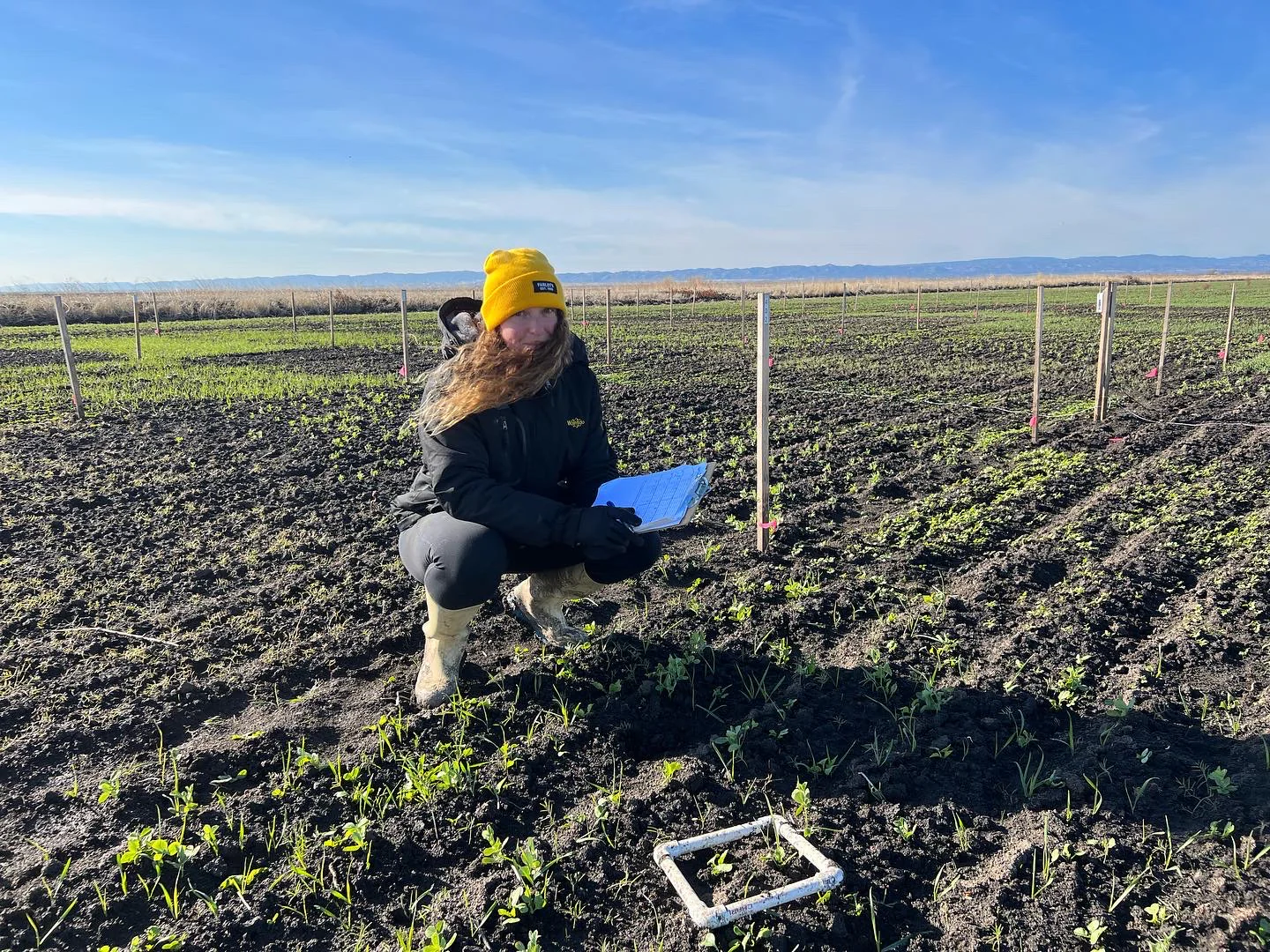
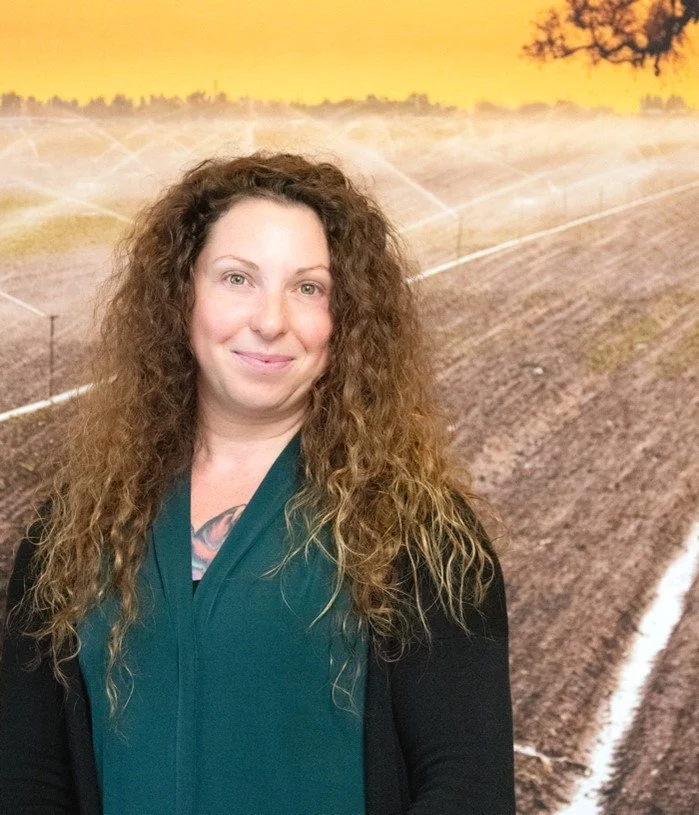
Welcome to Sara’s Soils and Science Corner. In this section, you will receive updates on the UCCE Regenerative Agriculture Program. As a regional farm advisor with University of California Cooperative Extension, I serve Merced, Stanislaus, and Mariposa Counties. My program focuses on supporting farmer communities in achieving sustainability goals through a comprehensive research and extension program focusing on understanding how practices considered regenerative can be adapted to different cropping systems, scales and environments, and how these systems effect multiple conservation outcomes, related to agronomic, economic and ecological benefits and tradeoffs. This position started in May 2024, and I have now had the pleasure of serving as a Regenerative Agriculture advisor for almost 2 years.
As a technical advisor my area of expertise connects agriculture systems with natural resource conservation by applying ecological principles and theory to farm management. Afterall, when we plant a cover crop, integrate sheep for grazing, increase our fungal communities in our soils, or support beneficial insect communities and natural predators on our farms, this is all in essence, mirroring our natural environments.
In my role, I provide technical advice for regenerative management practices, provide resources and education opportunities, help farmers and land managers solve sustainability challenges for their operations in collaborative ways, and conduct regionally relevant research. I am passionate about community-led development and using farmer led research as a powerful tool for solving local challenges. My aim is to develop collaborative programming that will support a wide range of farm types, family-oriented farms, small-medium, organic, and conventional, annual crops, tree and vine crops, and livestock production systems.
To do this I strive to bring farmer voices to the table to help determine research goals and education needs. For the last year I have been working to conduct a needs assessment, which includes farmer interviews, site visits, and listening sessions. The report showcases how growers perceive and understand regenerative agriculture; the motivations for adopting these types of systems; agronomic, economic, and ecological benefits and challenges/ barriers farmers are experiencing, and identifies opportunities for future research and extension goals (here). I welcome feedback on this document and hope it can be helpful to many.
Here are some expected updates for 2026 programmatic goals:
Economics research: In collaboration with UC Davis I will be working on a regenerative almond economic analysis. This project will aim to evaluate short term and long-term costs and profits for regenerative almond systems. It is a smaller part of a larger research program assessing how regenerative almond regiems across California are performing compared to conventional almond systems. To learn more about this project you can sign up for my personal newsletter here.
Whole Orchard Recycling and Dairy Manure Research: I am excited to be partnering with Sustainable Conservation looking at whole orchard recycling and dairy manure applications to promote improved nutrient cycling and reduce manure waste in San Joaquin Valley. This project is seeking interested cooperating farmers for fall of 2026, all costs covered.
UC Smart Farm Almond Demonstration: In collaboration with UC Merced Smart Farm, UCCE and almond board we are establishing a regenerative almond orchard demonstration site at the smart farm. We will be holding our first field day to introduce this project on April 21st, 2026. Come learn about how to implement a new regenerative almond orchard, hear form growers about their experiences with these practices and discuss management challenges.
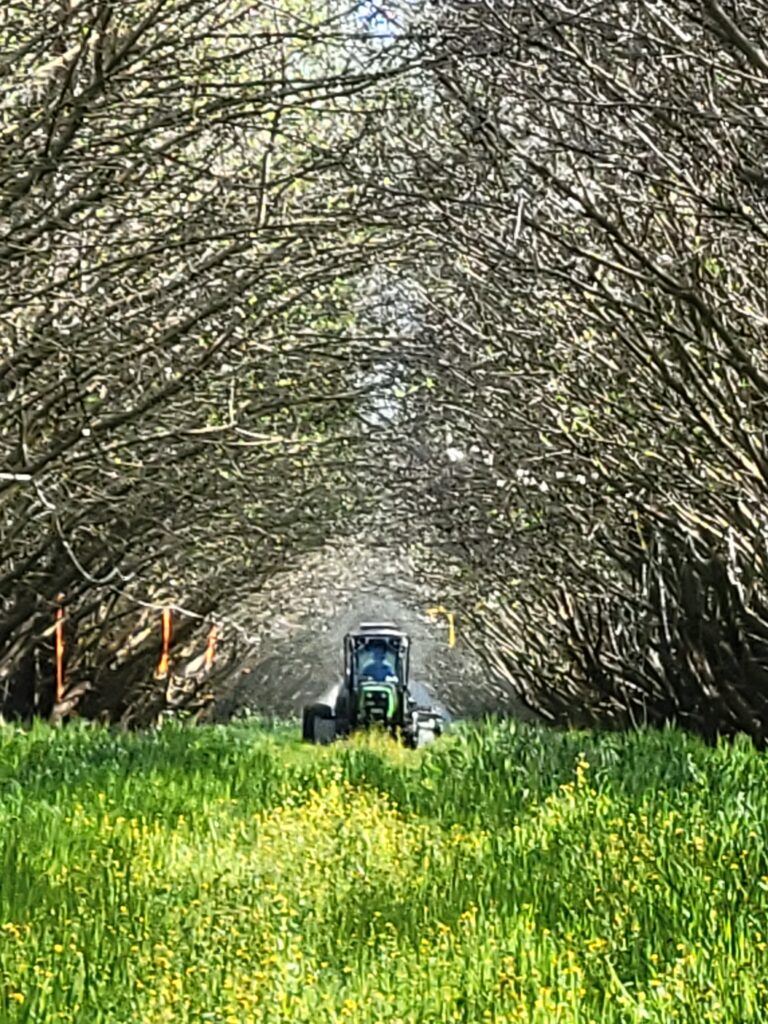
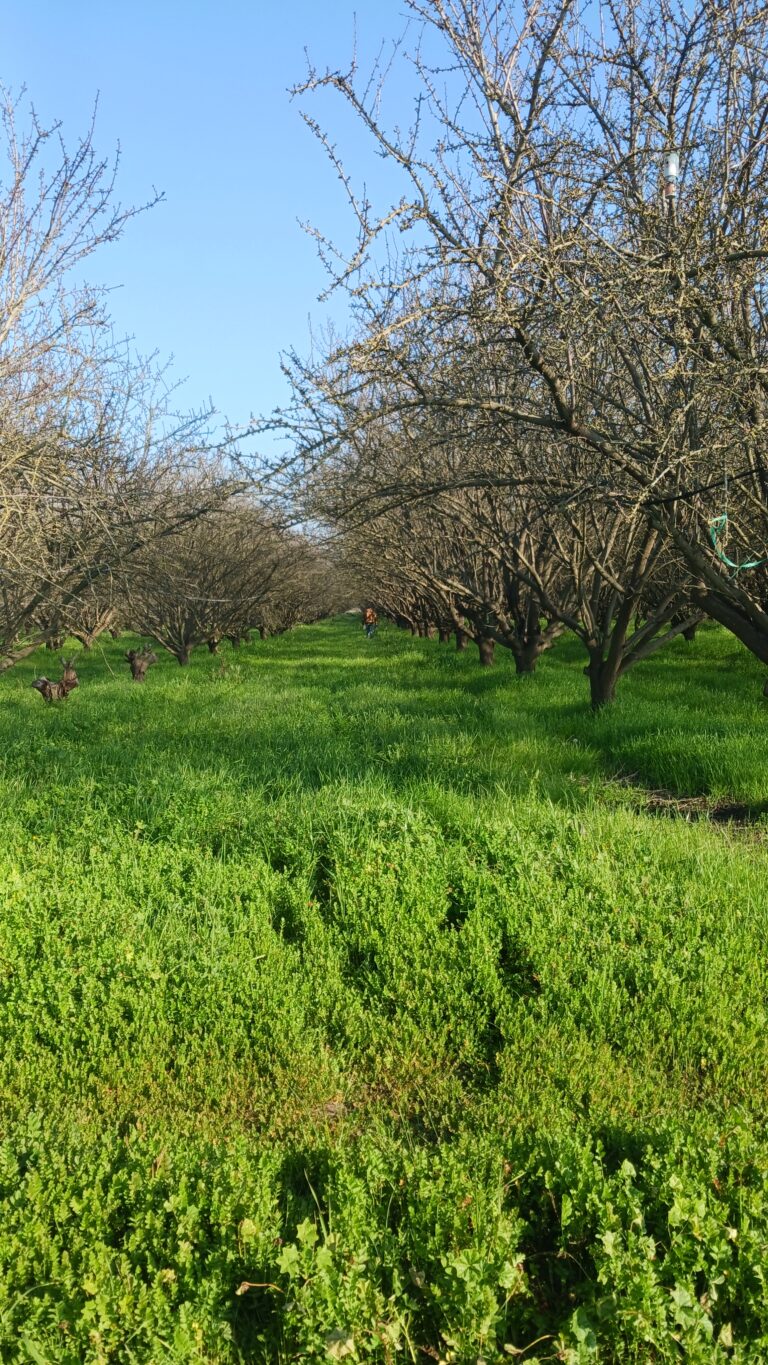
Ground Cover and Grazing: We are hopeful in exploring the impacts of cover crops compared to vegetative cover, grazed and ungrazed on nutrient dynamic’s, crop health, economics and food safety to support growers in understanding the best forms of ground cover and management for their systems. This research will focus in almonds and pistachio orchards and would be starting in Fall of 2026. If you are interested in getting involved in this project, and trying grazing and/or cover crops in your orchard, please reach out to me.
California Rice: If you are interested in learning more about my past collaborative research, during my time at UC Davis, there are a few podcasts available. At this time I was focusing on rice systems in California. The latest one talks about the diversification of rice systems, effects on soil health and soil microbial changes.
- Rotating rice with Sara Rosenberg (Pt. 1) https://www.buzzsprout.com/2387925/episodes/16046982
- Rotating rice and winter cover crops (Pt. 2) https://www.buzzsprout.com/2387925/episodes/16179240
- Diversifying Rice Systems and Microbes TBA January 19th https://thoughtsonrice.buzzsprout.com/2387925
Sara Rosenberg
IG: UCCE Regen agriculture
FB: UCCE Regenerative Agriculture
Phone: (510) 277 2317 – Cell
(209) 966-2417 ex 1417- Office
If you are interested in receiving updates on program events and news, please sign up here for our UCCE Regenerative Agriculture Listserv